Archive
All posts
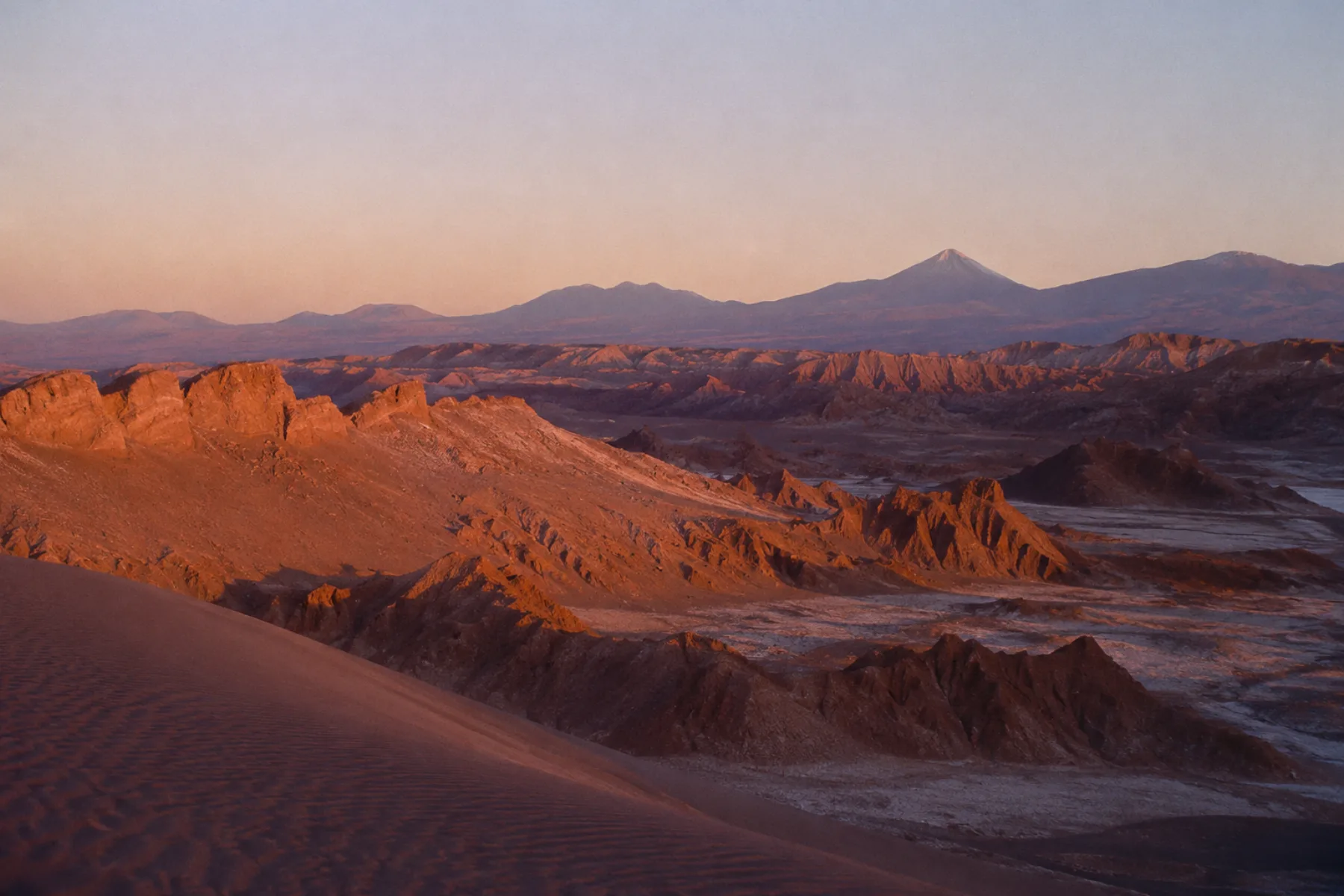
Finding planets around other stars
How a tiny dip in a star's light, measured night after night, became the way we find new worlds.
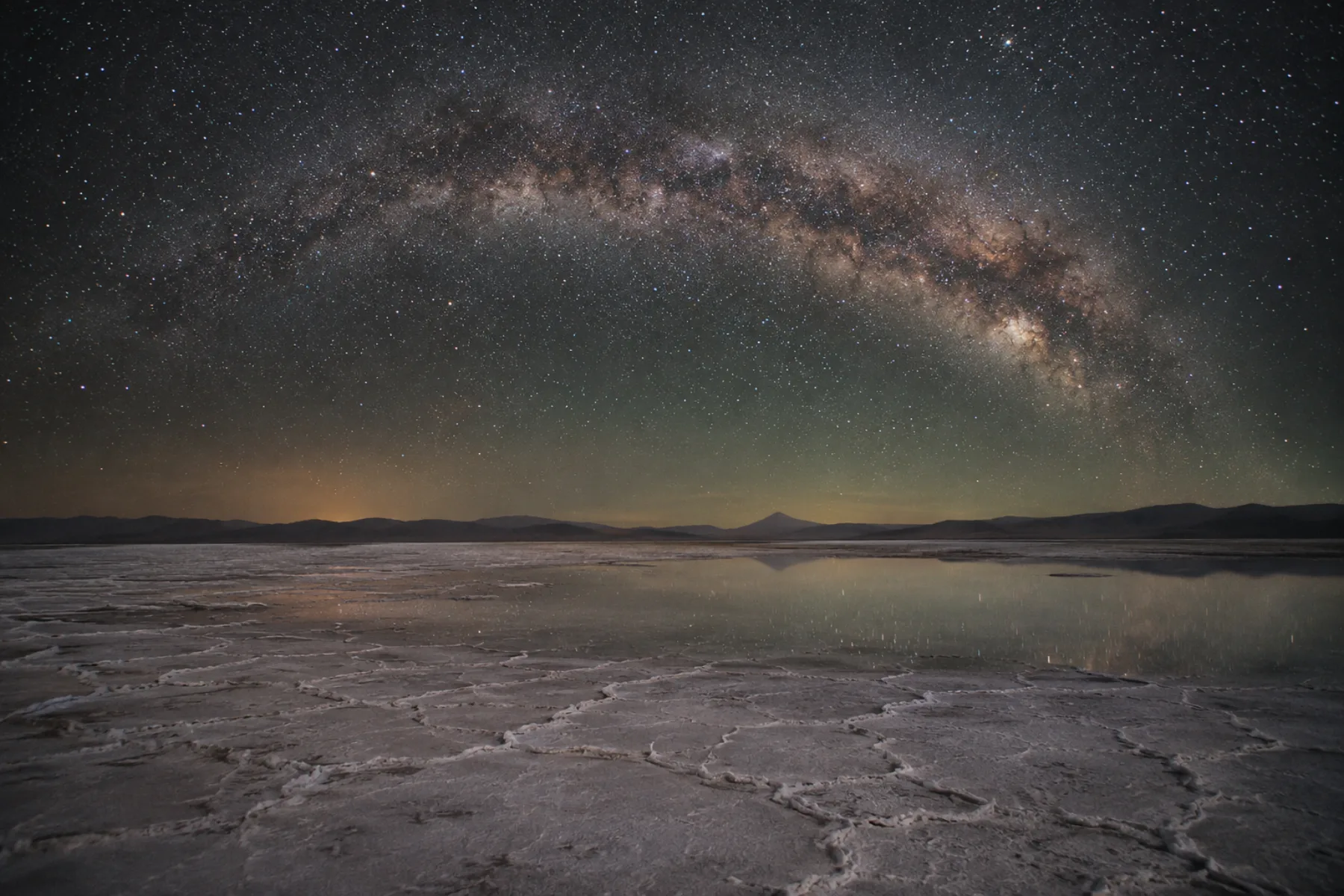
Why the galaxies are moving away
Blinking stars gave the distances and starlight gave the speeds. Put together, they showed a growing universe.
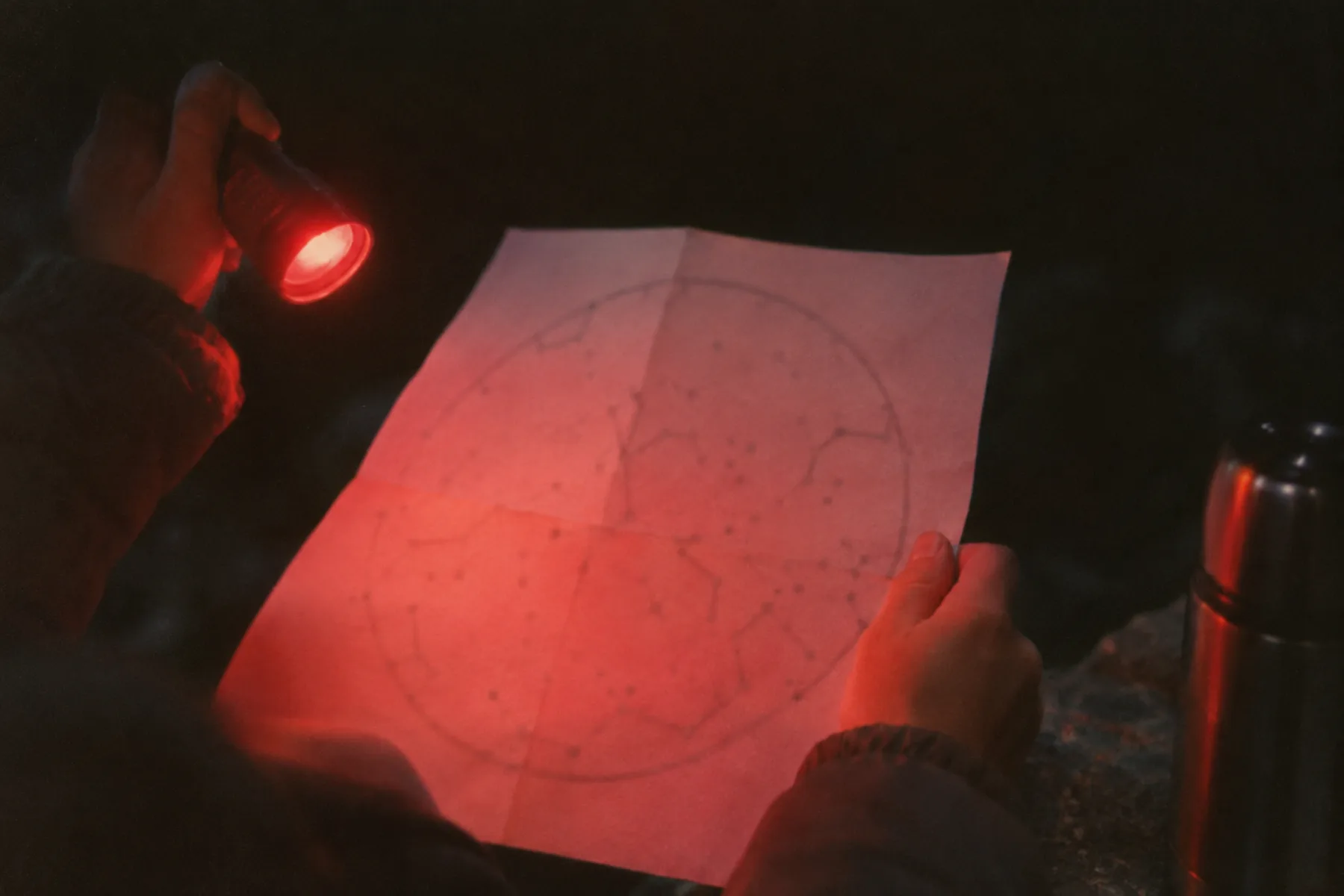
Neptune, found with a pencil
Uranus kept drifting off its path, so two people worked out where an unseen planet had to be.
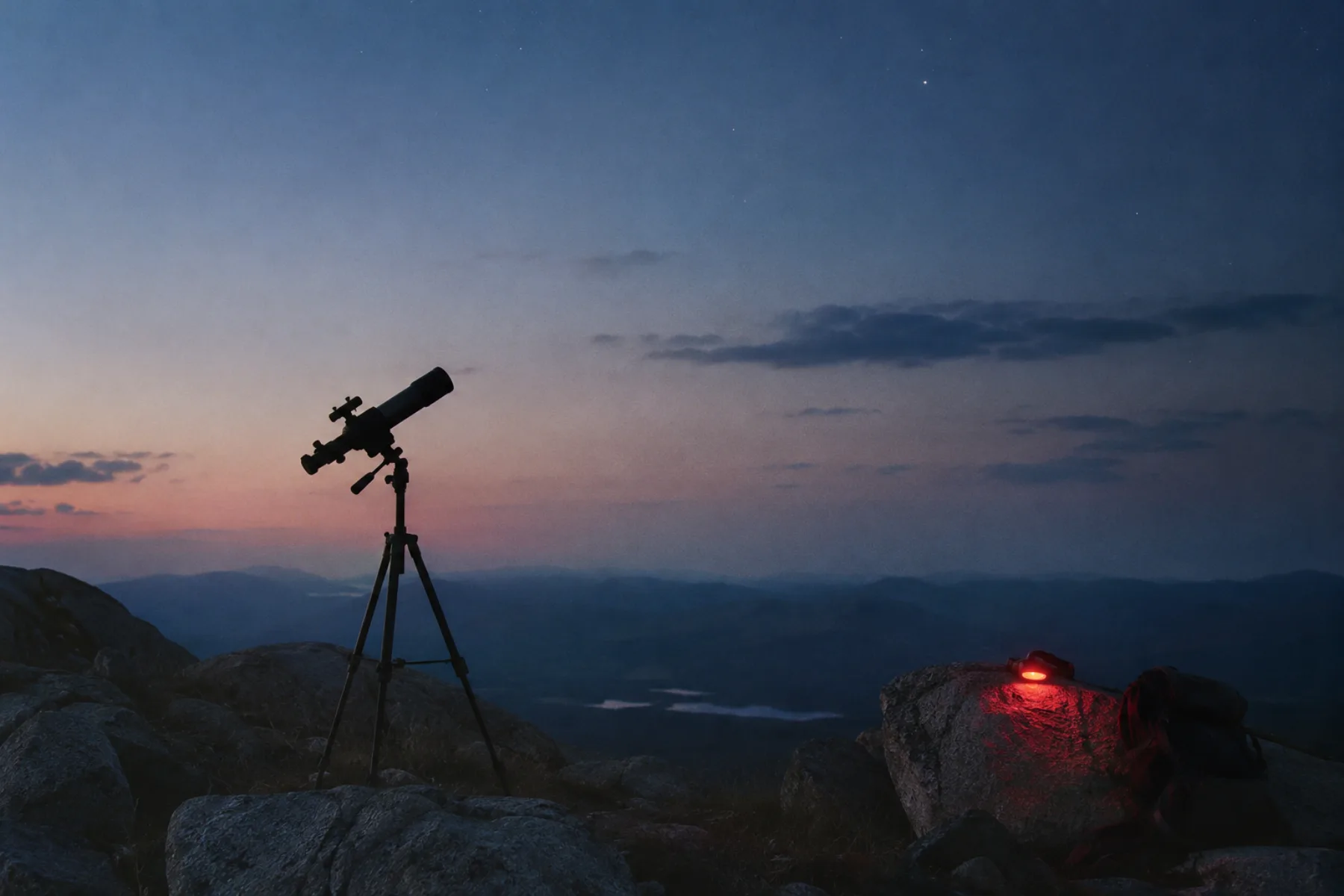
The stars that blink like lighthouses
A careful count of stars that brighten and fade gave us a ruler for the far sky.
Measuring the distance to a star
Look at a star in January and again in July, and it shifts a tiny amount. That shift is a distance.

What the stars are made of
Once the dark lines in sunlight were matched to flames in a lab, the stars could be read like a label.
Dark lines in the Sun's light
Spread sunlight wide enough and thin dark lines appear in it. Nobody knew what they were for forty years.
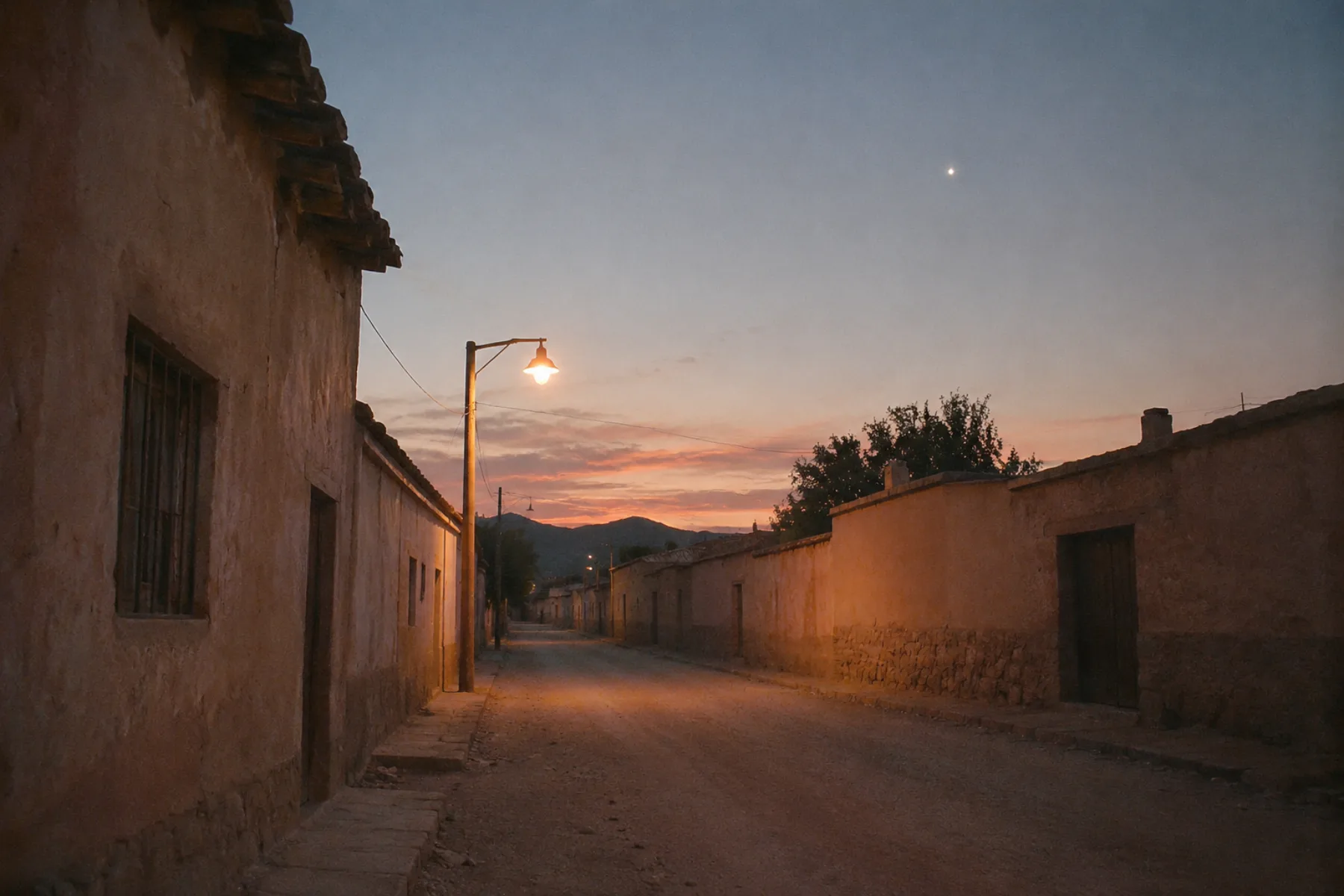
Kepler and the shape of an orbit
Years of numbers about Mars, and the moment a circle gave way to a stretched one.
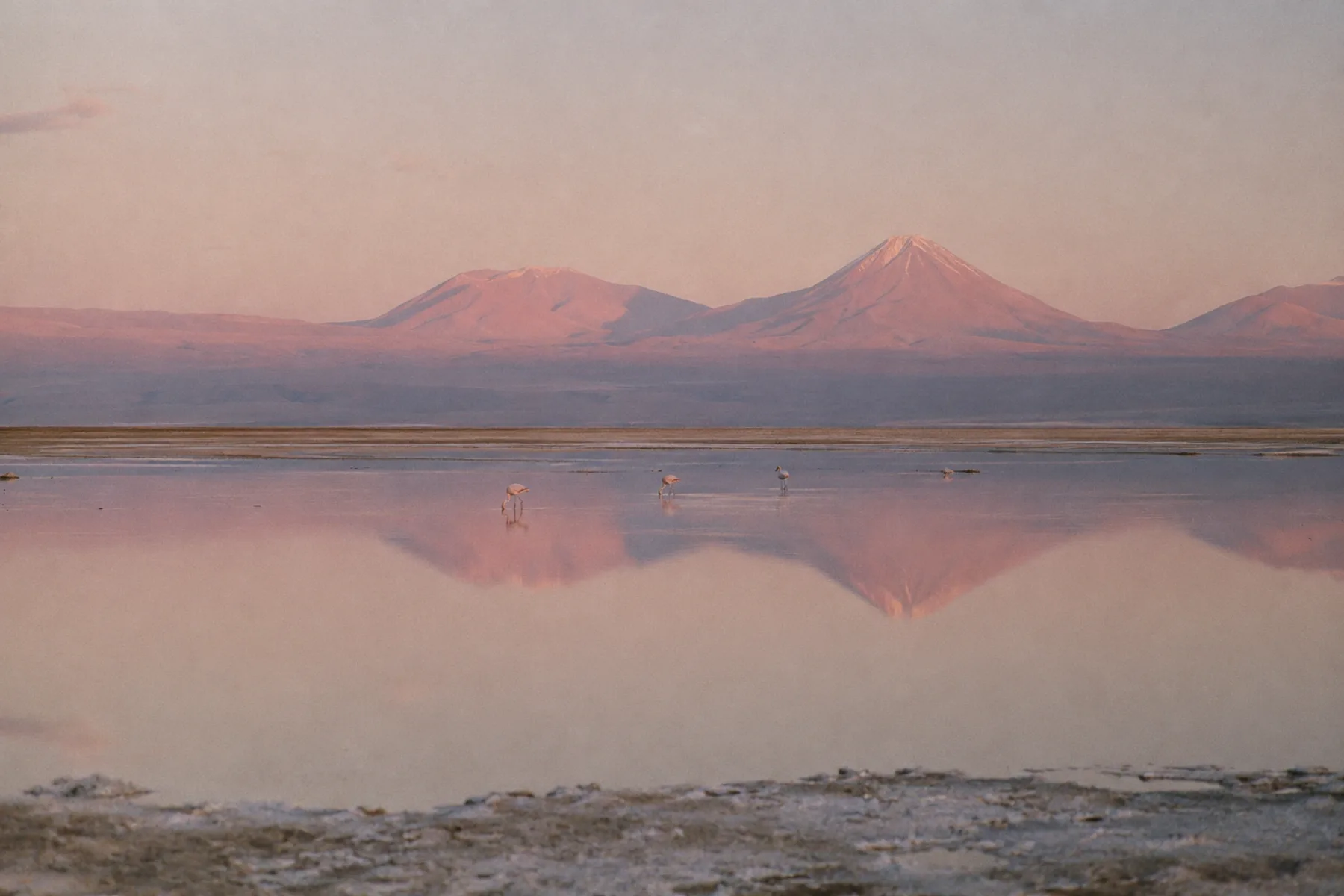
How a prism splits light
A wedge of glass in a dark room, and why white light turned out to be every colour at once.
The first telescopes, and what they showed
Moons around Jupiter, phases of Venus and craters on the Moon, all in the first few years.
Why the planets seemed to wander
Five lights that did not keep pace with the stars, and the long effort to explain their loops.
What the ancient sky watchers could see
Without any lens at all, people tracked the Sun, the Moon and the stars well enough to keep calendars.
Free
Because
A short letter every Sunday: one discovery about the sky, and the steps that led to it.
2,800 readers
Free, and you can leave any time